Miyawaki forests are growing rapidly across Indian cities, housing societies, and school campuses. Many people see them as a fast solution for urban green cover. However, before starting a miyawaki plantation, it is important to evaluate both benefits and limitations carefully. Read on to know whether this method suits your land, climate, and long term environmental goals.
What Is a Miyawaki Forest
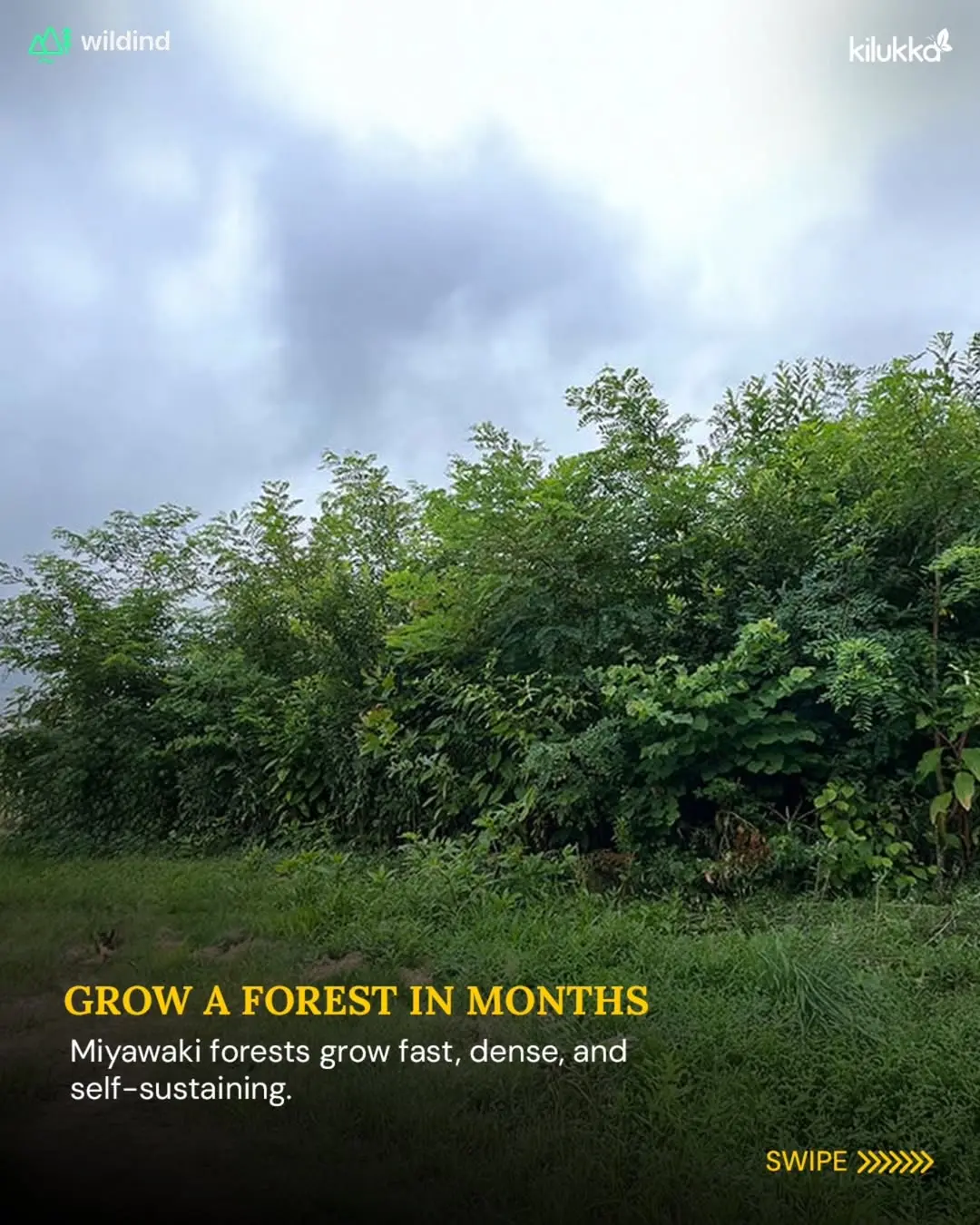
The miyawaki forest method was developed by Japanese botanist Dr Akira Miyawaki. It is a scientific approach to grow dense native forests in small spaces within a short period. The method focuses on planting multiple native species very close to each other to recreate a natural forest ecosystem.
In the miyawaki forest concept, three to five saplings are planted per square metre. These plants compete for sunlight and nutrients, which encourages faster vertical growth. The structure usually includes shrubs, small trees, medium trees, and canopy trees.
The miyawaki plantation method involves soil testing, adding organic nutrients, selecting region specific native plants, and regular monitoring for the first two to three years. After establishment, the forest becomes largely self sustaining.
Miyawaki Forest Advantages and Disadvantages
When discussing miyawaki forest advantages and disadvantages, it is important to avoid extreme opinions. The method has proven results in certain contexts, but it also has practical limitations.
Advantages of Miyawaki Forest
The main advantage of a Miyawaki forest is rapid growth. Trees planted using the miyawaki method grow faster than traditional plantation because of dense spacing and improved soil preparation. This makes it highly effective in urban areas where land is limited and quick green cover is needed.
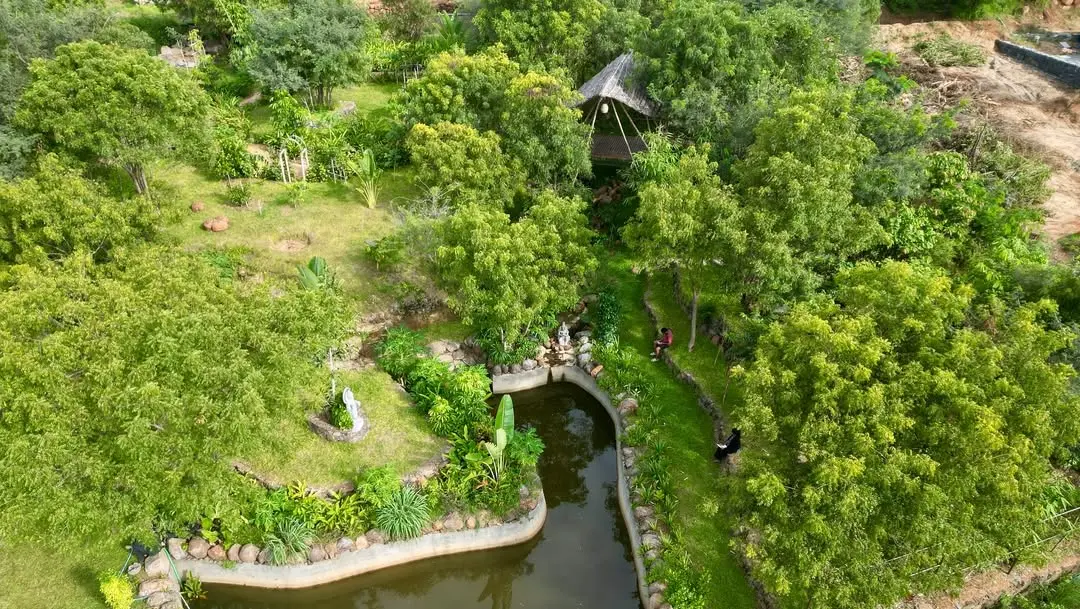
Miyawaki forests improve air quality, reduce dust levels, and help lower local temperature in crowded cities. The dense plantation supports birds, insects, and small organisms, which increases urban biodiversity. For schools and corporate campuses, a miyawaki plantation also serves as a practical environmental learning space.
Another key benefit is community participation. Many Miyawaki projects involve students, volunteers, and local residents. This increases environmental awareness and encourages long term care and responsibility toward the planted forest.
Disadvantages of Miyawaki Forest
One major disadvantage of the Miyawaki forest method is the high initial preparation required. Soil testing, organic enrichment, and proper planning are essential before plantation. Without correct preparation, plant survival rates may decrease significantly.
The method also requires consistent watering during the first two years. In dry Indian regions, irrigation systems are necessary to support root development. It may not be suitable for extremely arid areas where reliable water supply is not available.
Miyawaki forests are planted very densely, which makes them unsuitable for walking paths or park style recreation. Incorrect selection of native species can create ecological imbalance. It is also important to note that visible forest maturity takes time, and results are not instant.
Is Miyawaki Forest Suitable for Indian Climate
The Miyawaki forest method is suitable for the Indian climate when native species are selected correctly and early stage maintenance is planned properly. India has tropical, semi arid, coastal, and temperate regions, so plant selection must match local weather and soil conditions for long term survival.
In tropical cities such as Mumbai, Chennai, and Kolkata, Miyawaki forests perform well because of higher rainfall and humidity. In northern states that experience extreme summers and winters, careful species selection is more important. Trees must tolerate temperature variation and seasonal changes.
Water management plays a major role in success. During the first year, regular watering supports root development. Monsoon season accelerates growth naturally, but dry months require structured irrigation planning.
Common Miyawaki plants used in India include Neem, Peepal, Banyan, Jamun, Arjun, Honge, and Ashoka. Final species selection should always be guided by local ecological study to ensure long term forest stability and biodiversity balance.
Miyawaki Plantation vs Traditional Tree Plantation
The main difference lies in density and growth pattern. Traditional plantation usually spaces trees far apart and focuses on individual tree growth. Miyawaki plantation focuses on ecosystem creation.
Miyawaki forests grow faster in the initial years because of competition among saplings. They create layered vegetation that resembles natural forests. Traditional plantation may take longer but requires less initial soil modification.
In terms of biodiversity, the miyawaki forest method often creates richer micro ecosystems in smaller spaces. However, traditional forestry may be more suitable for large rural landscapes.
Maintenance effort is higher in the first two years for miyawaki forests, while traditional plantation spreads effort over a longer period.
Common Myths About Miyawaki Forest
Myth 1: A Miyawaki forest grows automatically without care.
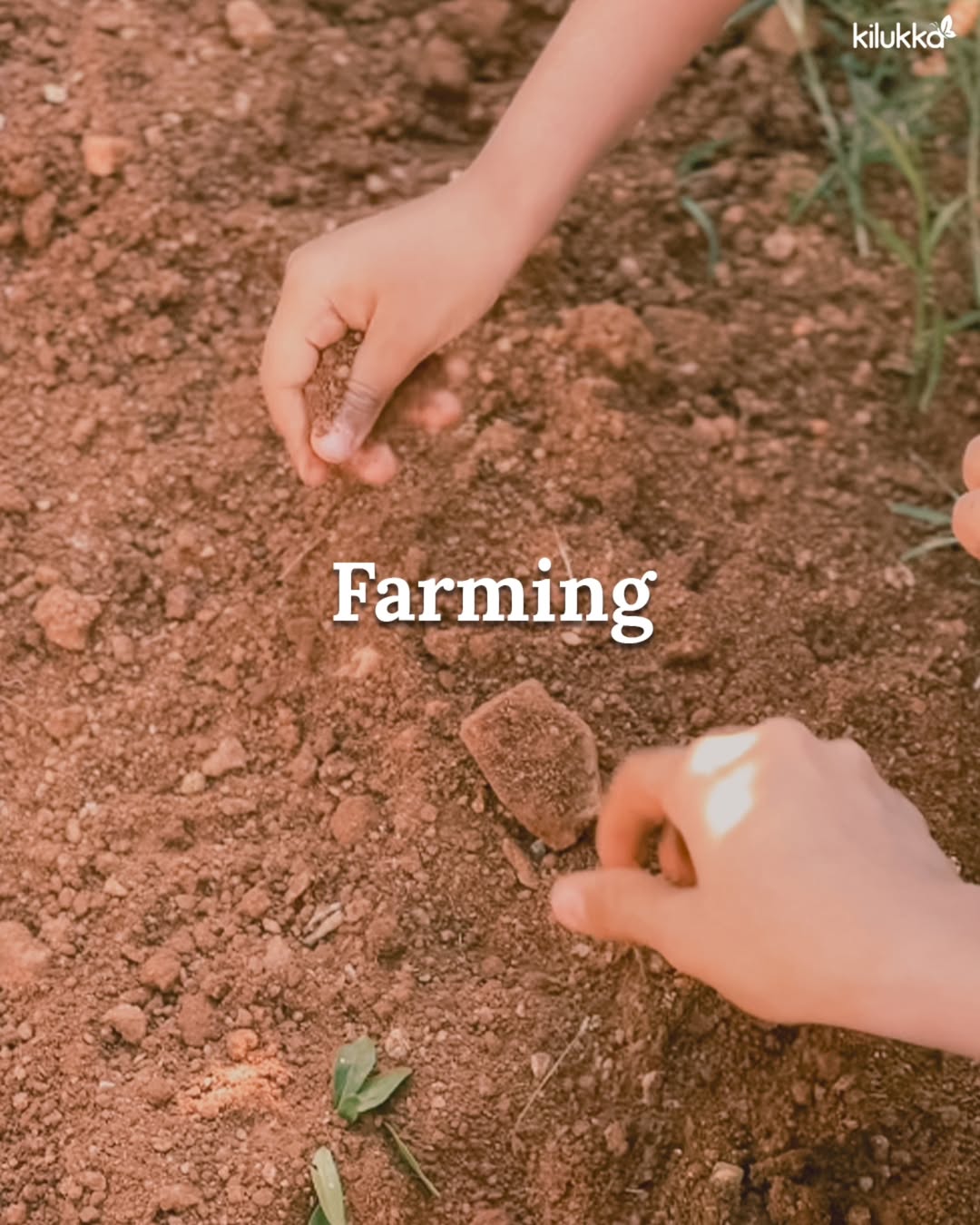
Reality: The first two to three years require structured maintenance, including watering, monitoring, and weed control to ensure strong root development and healthy growth.
Myth 2: Any plant species can be used in a Miyawaki plantation.
Reality: The miyawaki method depends strictly on native species that are naturally suited to the local climate and soil conditions.
Myth 3: Miyawaki forests can replace natural forests.
Reality: Miyawaki forests are designed for urban afforestation in small spaces and cannot replace large scale natural forest ecosystems.
Myth 4: The method works equally well in all soil types without preparation.
Reality: Proper soil testing and enrichment are essential for good survival rates and long term forest health.
What Are Miyawaki Workshops
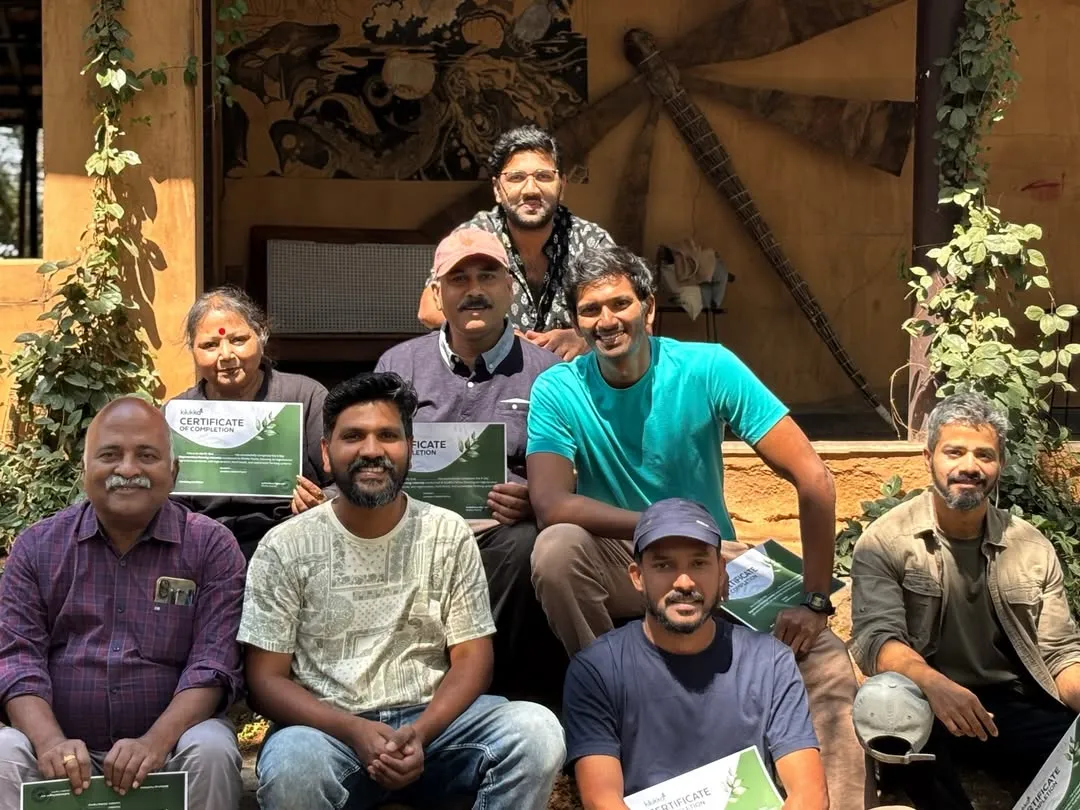
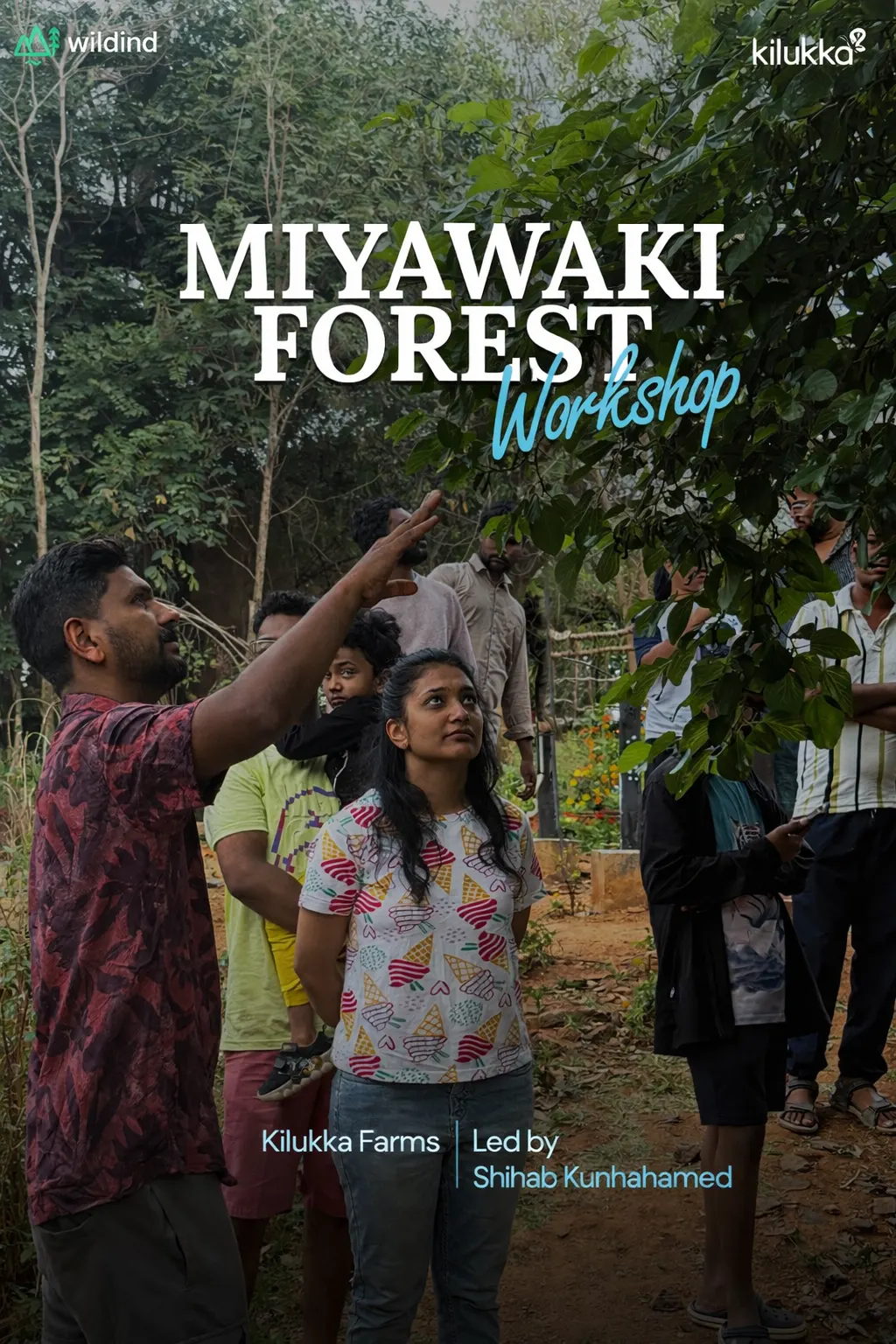
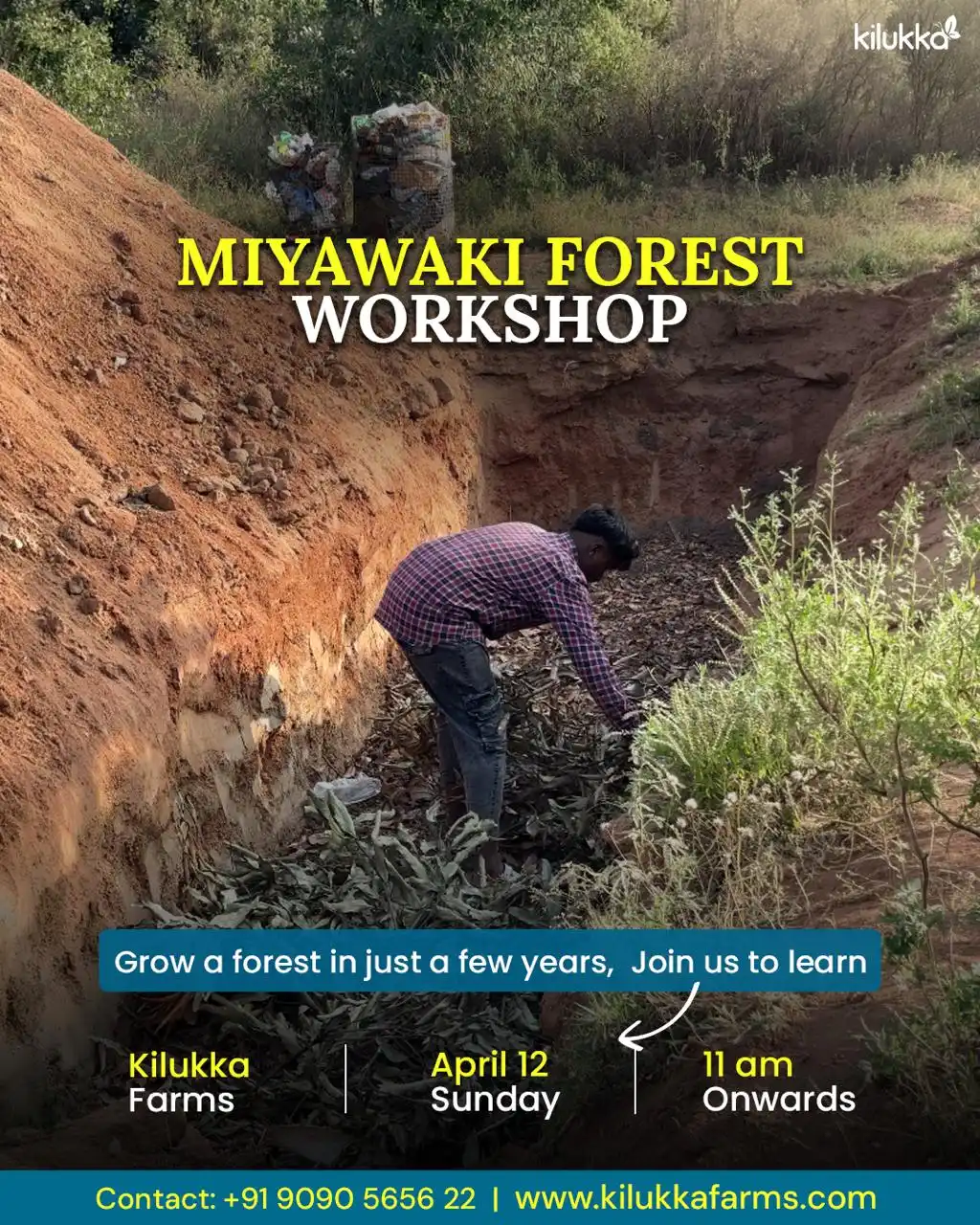
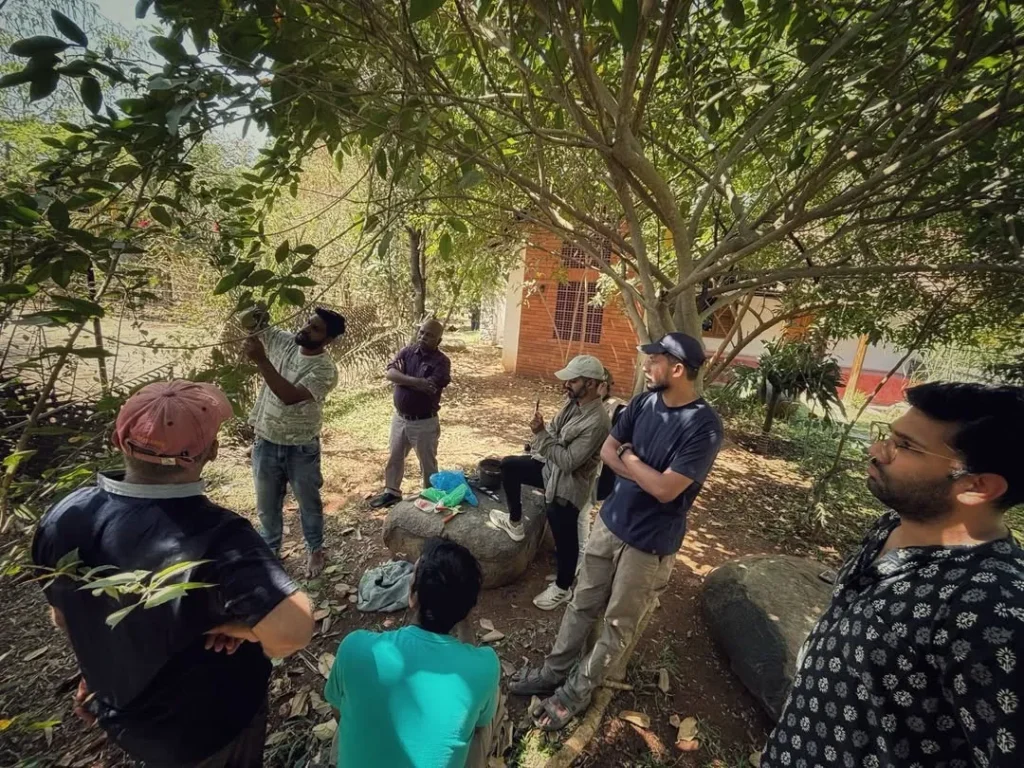
Miyawaki workshops are structured training programs that explain the scientific process behind the miyawaki plantation method. These sessions focus on practical aspects such as soil testing, native species selection, planting density, mulching, and early stage maintenance. Participants gain hands on knowledge that helps avoid common mistakes related to spacing, irrigation, and species imbalance, which directly improves plant survival rates and long term forest health.
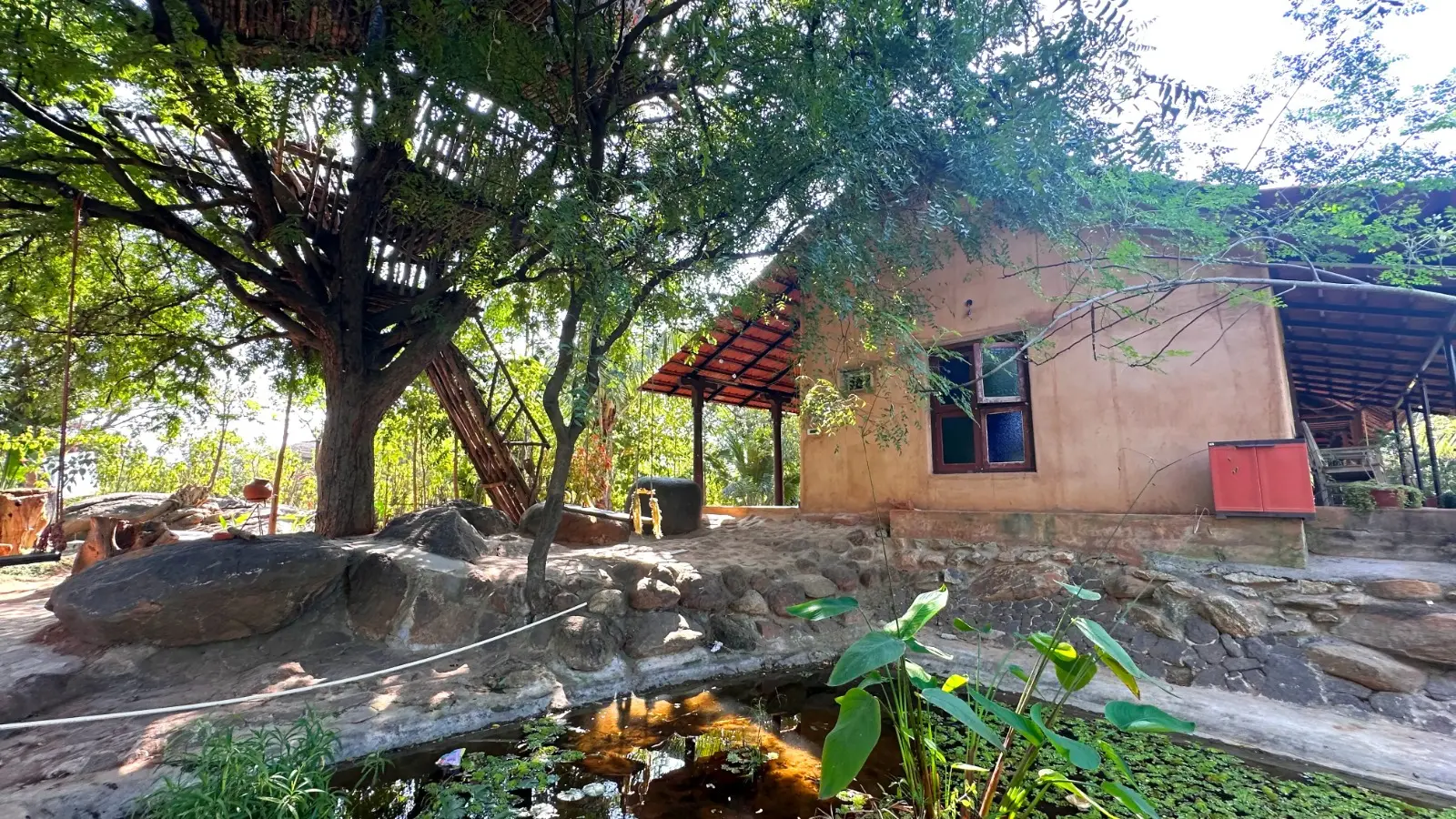
These workshops are conducted by environmental experts, ecologists, afforestation consultants, and increasingly by eco focused farms that promote sustainable land practices. Some regenerative farms, including initiatives like Kilukka Farm near Bangalore , conduct practical learning sessions to demonstrate real time plantation techniques in field conditions. Such programs help schools, NGOs, residential societies, and community groups build awareness and plan ecological projects with long term commitment instead of short term enthusiasm.
Who Should Consider Miyawaki Plantation in India
- Urban landowners with limited space can use the miyawaki plantation method to create dense green cover in small plots.
• Housing societies can convert unused or vacant areas into compact native forests that improve air quality and biodiversity.
• Schools and colleges can adopt miyawaki forests as practical environmental learning spaces for students.
• Corporate campuses can implement miyawaki plantation under CSR initiatives to strengthen their sustainability profile.
• Industrial zones can develop miyawaki forests as green buffers to reduce dust, noise, and pollution.
• Environmental NGOs can use the miyawaki method to promote community driven urban afforestation projects.
• Small farms and eco focused agricultural lands can adopt miyawaki plantation in selected areas to enhance biodiversity, while large rural agricultural fields may not require this dense planting approach.
🌳 Interested in Creating a Natural Green Space?
Miyawaki forests are a powerful way to restore greenery, improve biodiversity, and create sustainable ecosystems. At Kilukka Farms, we focus on nature-based experiences that promote eco-friendly living and environmental awareness.
Frequently Asked Questions
How Long Does a Miyawaki Forest Take to Grow?
A Miyawaki forest usually establishes within three years. During this period, trees grow rapidly due to dense planting and soil preparation. Full ecological maturity can take ten to twenty years depending on climate, species selection, and early stage maintenance.
Does Miyawaki Plantation Require High Maintenance?
Yes, Miyawaki plantation requires structured maintenance during the first two years. This includes watering, mulching, and monitoring plant health. After canopy formation, the forest becomes largely self sustaining and maintenance reduces significantly.
Can Miyawaki Forests Survive Indian Summer Heat?
Yes, Miyawaki forests can survive Indian summer heat when region specific native species are selected. Proper irrigation during early growth stages is essential to support root development and improve survival rates.
Is Miyawaki Method Better Than Normal Tree Plantation?
The Miyawaki method is better for small urban plots where rapid growth and biodiversity are priorities. Traditional tree plantation may be more suitable for large open land. The choice depends on land size, objective, and ecological goals.
What Are the Main Disadvantages of Miyawaki Forest?
The main disadvantages include high initial soil preparation, water requirement during early years, and dense planting that limits walkability. Proper planning and supervision are necessary to avoid implementation mistakes.
Are Miyawaki Workshops Necessary Before Starting?
Miyawaki workshops are strongly recommended before starting a project. They provide guidance on soil testing, native species selection, and plantation techniques, which increases long term survival and project success rate.
Choosing the Right Approach for Your Land
The miyawaki forest advantages and disadvantages should always be assessed based on your land size, water availability, and long term vision. The method delivers rapid biodiversity in small urban plots, but it demands planning and early care. If your goal is dense green cover in limited space, Miyawaki can be highly effective. If not, traditional plantation may be more practical. The right decision depends on purpose, not trend.