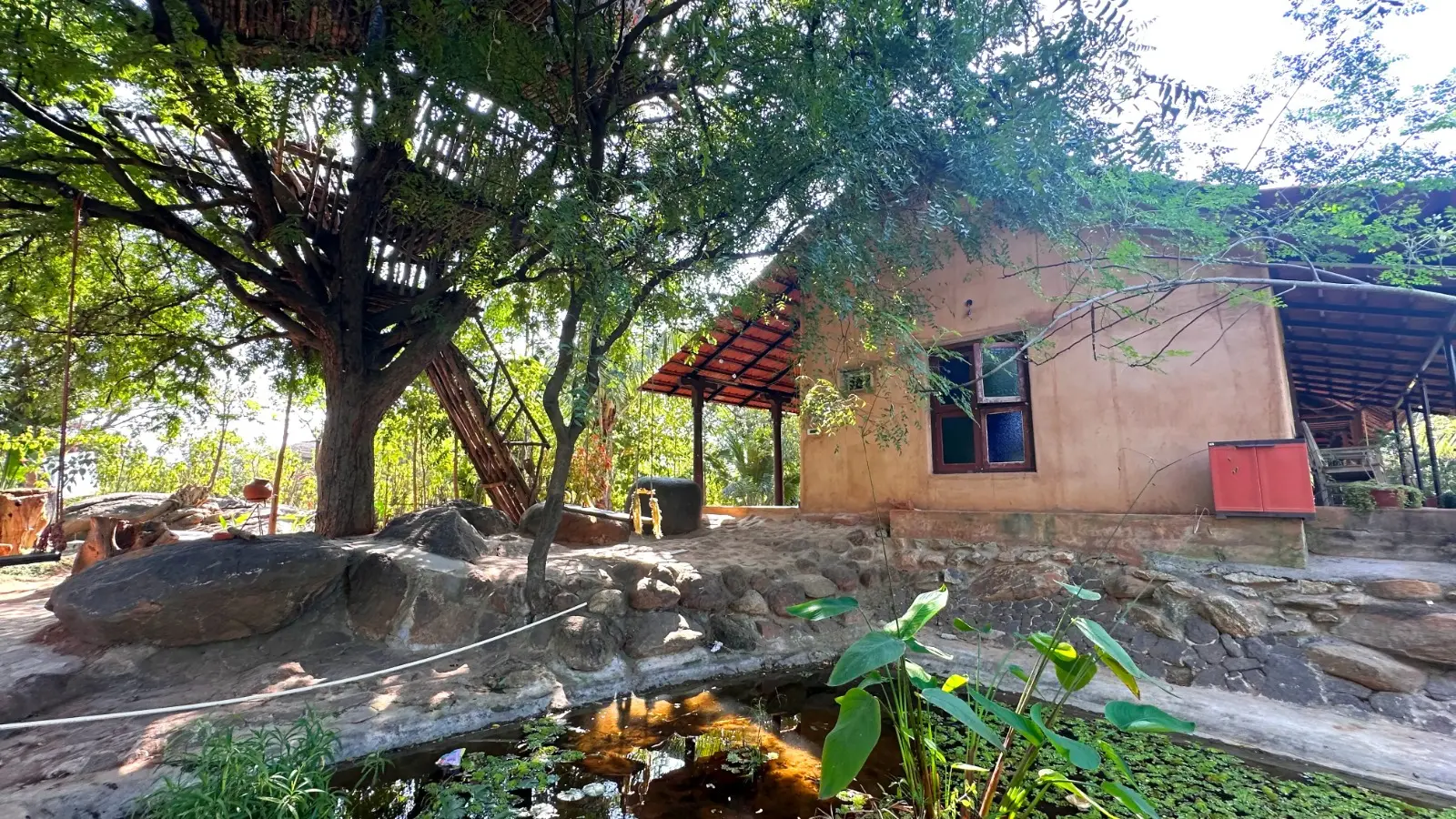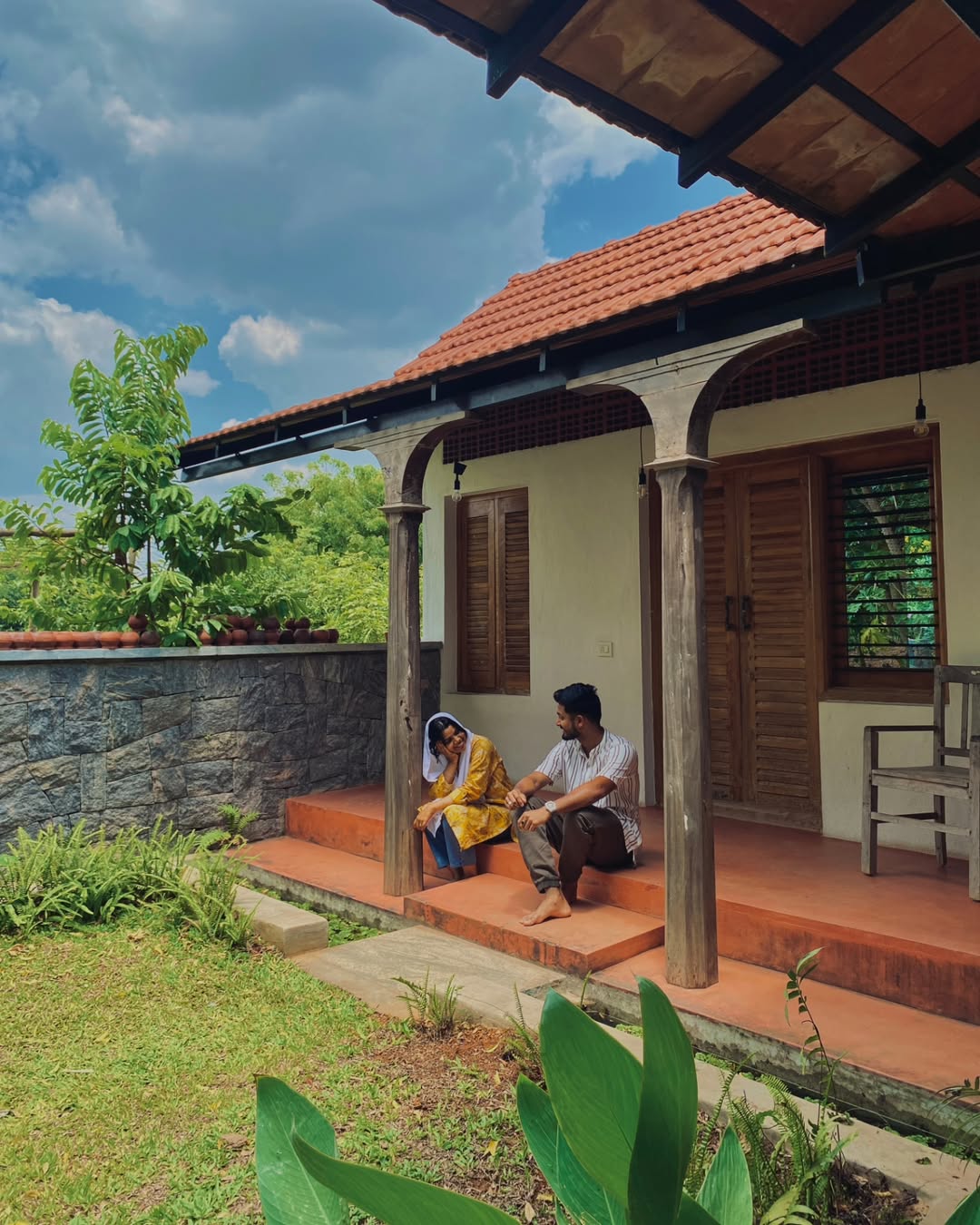

The difference between a homestay and a farmstay lies in why you stay there. A homestay focuses on living with a local family for cultural and personal experience, while a farmstay centers around staying on a working farm with exposure to farming activities and rural life. This guide explains how homestays and farmstays differ in purpose, experience, cost, and suitability, helping you choose the option that fits your travel or stay goals. Read on to clearly understand which one actually matches what you are looking for.
Why People Often Confuse Homestays and Farmstays
Homestays and farmstays are often confused because both are positioned as alternatives to hotels. On booking platforms and travel blogs, both are described using similar words such as local experience, authentic stay, traditional living, or nature based stay. This overlapping language makes it difficult for travelers to see the real difference.
Another reason for confusion is that both options usually involve staying on private property rather than in commercial accommodation. Guests often interact with hosts, eat home cooked food, and stay in quieter surroundings compared to hotels. From the outside, these similarities can make homestays and farmstays look almost the same.
In some cases, properties also combine both formats. A family may live on agricultural land and host guests in their home. While this setup includes a farm, the experience may still feel like a homestay if farming is not central to the guest experience. On the other hand, some farmstays offer accommodation inside a farmhouse but limit interaction with the family.
The key difference lies not in the building or location, but in the primary purpose of the stay. Once that is clear, the distinction becomes easier to understand.
What Is a Homestay?
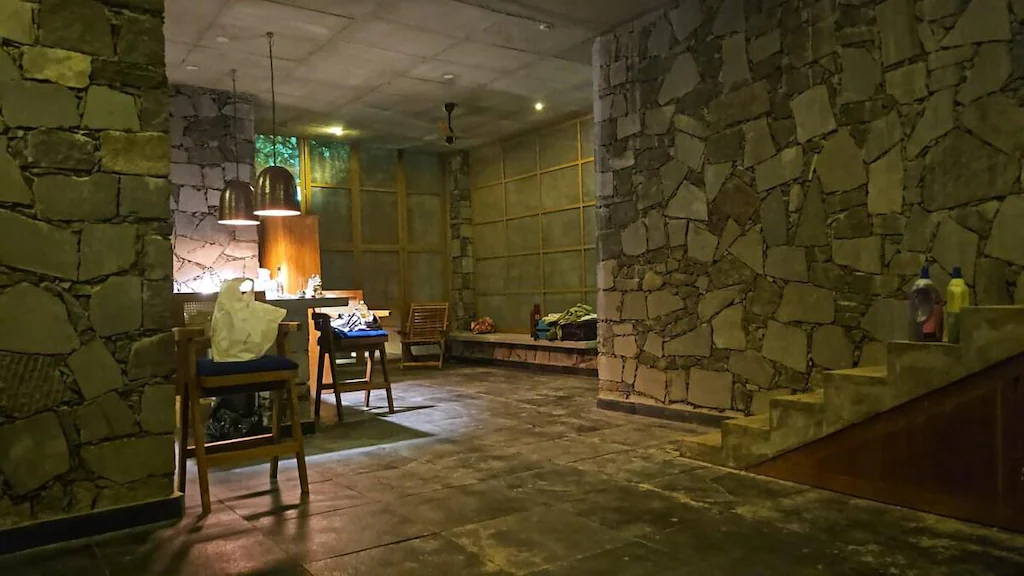
A homestay is a type of accommodation where guests stay in a residential home where the host family also lives. The focus of a homestay is cultural exchange and everyday living rather than activities or scenery.
In a homestay, guests become temporary members of a household. They may share common spaces such as the living room, dining area, or kitchen. Meals are often prepared by the host family, and guests may eat together with them. Daily routines such as meal timings, household rules, and social interactions shape the experience.
A typical homestay experience includes:
- Staying inside a family home
- Direct interaction with hosts on a daily basis
- Exposure to local customs, habits, and food
- Learning how people live rather than how places look
Homestays are common in cities, towns, and villages. They are popular among travelers who want to experience local life from the inside, especially students, solo travelers, and long stay guests.
Privacy in homestays varies. Some offer private rooms with attached bathrooms, while others involve shared facilities. Guests are expected to respect house rules, such as quiet hours or meal schedules. This makes homestays suitable for people who are comfortable adjusting to a family environment.
What Is a Farmstay?
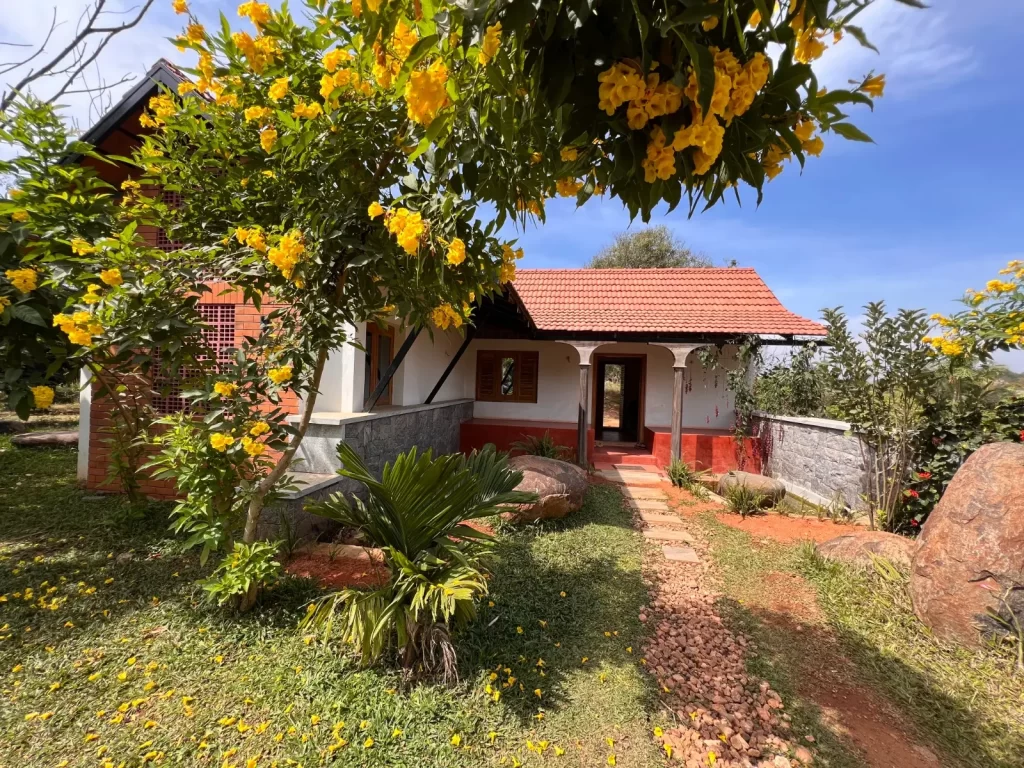
A farmstay is accommodation located on a working farm or agricultural property. The defining feature of a farmstay is not the host family, but the farm itself.
Guests stay within or near farmland that may include crops, orchards, plantations, livestock, or mixed agriculture. Accommodation may be in a farmhouse, guest cottage, or separate structure built for visitors. The farm continues its regular operations while guests are present.
A farmstay experience usually involves:
- Staying in a rural or semi rural setting
- Being surrounded by agricultural land or natural landscapes
- Exposure to farming routines, even if indirectly
- Experiencing slower daily rhythms shaped by nature
Participation in farming activities varies. Some farmstays allow guests to observe only. Others offer guided participation such as planting, harvesting, composting, or animal care. The level of involvement is usually optional.
Farmstays attract people who want space, quiet, connection with nature, or learning about farming systems. Social interaction with hosts may exist, but it is not the main focus.
Thinking of choosing a farmstay?
Ask us if Kilukka Farms is right for you.
What Makes a Homestay Different From a Farmstay
The difference between homestay and farmstay becomes clear when you compare how each stay is designed and what it prioritizes.
Purpose of Stay
A homestay is designed for cultural immersion. The goal is to live alongside a local family and experience daily life as it happens.
A farmstay is designed for environmental and rural exposure. The goal is to experience land, farming systems, and nature.
Daily Experience
In a homestay, daily life revolves around household routines. Guests may talk with hosts, join meals, or participate in small family activities.
In a farmstay, daily life revolves around the farm environment. Guests spend more time outdoors, observing land, resting, or engaging in farm related activities.
Host Interaction
Homestays usually involve regular and close interaction with hosts. Conversation and shared spaces are common.
Farmstays may involve limited interaction. Hosts may guide activities but are often occupied with farm work.
Location
Homestays are commonly located in residential neighborhoods, towns, or villages.
Farmstays are located in rural or semi rural areas, often away from crowded spaces.
Activities
Homestays focus on lifestyle exposure such as cooking, local travel, or family interaction.
Farmstays focus on land based experiences such as farming, nature walks, or outdoor rest.
Which Is Better for Different Types of Travelers?
The choice between homestay and farmstay depends on what kind of experience you value most.
For Families
Families with children often prefer farmstays because of open space, fresh air, and outdoor activities. Children can see animals, plants, and farming tools, which can be educational and engaging.
Homestays work well for families who prefer comfort, urban access, and predictable routines, especially when traveling with younger children or elders.
For Solo Travelers
Solo travelers seeking connection and conversation often prefer homestays. Interaction with hosts helps reduce loneliness and adds social value.
Solo travelers seeking quiet, reflection, or creative time may prefer farmstays, where privacy and space are easier to find.
For Students and Learners
Students interested in culture, language, or social studies benefit more from homestays.
Students interested in agriculture, environment, or sustainability benefit more from farmstays.
For Urban Professionals
Urban professionals often choose farmstays for digital detox, stress reduction, and nature exposure.
Homestays may suit professionals traveling for work or short cultural visits.
What Kind of Experience Can You Expect at a Homestay?
A homestay experience is shaped mainly by people. Guests learn through interaction rather than activities.
Common experiences include:
- Eating home cooked meals
- Listening to local stories and customs
- Learning everyday habits and traditions
- Participating in household routines
However, homestays also require adjustment. Privacy may be limited. Guests must follow house rules. Personal schedules may need flexibility.
Homestays suit travelers who value human connection and cultural learning.
What Kind of Experience Can You Expect at a Farmstay?
A farmstay experience is shaped by environment and time. Nature plays a central role.
Guests often experience:
- Quiet mornings and natural sounds
- Seasonal changes in crops or weather
- Physical distance from urban distractions
- Flexible, unstructured daily schedules
Facilities vary. Some farmstays offer modern comfort, while others keep things simple. Internet access may be limited in remote areas.
Farmstays suit travelers who value space, calm, and nature.
Cost Differences Between Homestays and Farmstays
Cost is one of the most searched questions, but it is also one of the most misunderstood areas when comparing homestays and farmstays.
A homestay is usually priced like a residential accommodation. You are paying for a room inside a lived in home, basic amenities, and often meals. Costs tend to stay lower because there is no large land maintenance or activity management involved. In towns, villages, and non tourist locations, homestays are often among the most affordable stay options. Pricing is usually per room or per person, and longer stays may come with discounts.
A farmstay works differently. The price often reflects the land, space, and maintenance involved in running a working farm. Even if guests do not actively participate in farming, the cost of maintaining crops, animals, irrigation systems, and open land is built into the stay. Some farmstays include meals made from farm produce, guided farm walks, or learning sessions, while others offer only accommodation.
In practical terms:
- Homestays are generally more budget friendly for longer stays
- Farmstays may cost more for short stays due to space and upkeep
- Pricing for farmstays varies widely based on location, size, and services
- What is included matters more than the base price
The key is to look beyond the room rate and understand what the stay actually offers.
Are Homestays and Farmstays Regulated Differently?
Yes, homestays and farmstays are often governed by different local rules, though this varies by state and district.
Homestays are usually registered under local tourism, municipal, or housing regulations. These rules often focus on guest safety, hygiene, and basic hosting standards. In many regions, homestays are treated as residential properties with limited commercial activity.
Farmstays may fall under both tourism and agricultural land regulations. Since they operate on farmland, there may be additional rules related to land use, construction, and safety. Some regions require special permissions if guest accommodation is built on agricultural land.
For guests, this means:
- Legitimate homestays usually have basic registration or approval
- Farmstays should clearly state that they operate legally on agricultural land
- Safety standards and insurance may differ between the two
Checking legitimacy helps avoid last minute issues.
How to Choose Between a Homestay and a Farmstay
Choosing between a homestay and a farmstay becomes easier when you focus on your purpose rather than the label.
Ask yourself:
- Do I want close interaction with people or more time with nature
- Am I comfortable sharing space with a host family
- Do I want structured routines or flexible days
- Is learning about farming or rural life important to me
- How long am I planning to stay
If your answers lean toward people, culture, and daily interaction, a homestay is likely the better fit.
If your answers lean toward space, quiet, nature, and land based experience, a farmstay will suit you more.
FAQs
Is a farmstay the same as a homestay?
No, they are not the same. A homestay is centered around living with a host family and experiencing their daily life. A farmstay is centered around staying on a working farm, where the land and farming activity are the main focus.
Can a homestay also be a farmstay?
Yes, some properties combine both. This usually happens when a family lives on farmland and hosts guests in their home. In such cases, either the family interaction or the farming experience becomes the main feature, depending on how the stay is structured.
Are farmstays suitable for children?
Yes, farmstays can be very suitable for children, especially those who enjoy outdoor spaces and animals. However, supervision is important because farms may have tools, water bodies, or animals that require caution.
Do homestays allow full privacy?
Privacy in a homestay depends on the setup. Some homestays offer private rooms with attached bathrooms, while others involve shared spaces. Guests should check this before booking to match their comfort level.
Is food usually included in a farmstay?
Food inclusion varies. Some farmstays include all meals, often using farm grown produce. Others offer meals at an additional cost or provide access to a kitchen. It is important to confirm meal arrangements in advance.
Which is better for long stays, a homestay or a farmstay?
Homestays are usually better suited for long stays because they offer stable routines, lower costs, and easier access to towns or cities. Farmstays are more commonly chosen for short breaks or learning focused stays.
Are farmstays only for people interested in farming?
No, many guests choose farmstays simply to relax, enjoy nature, or disconnect from city life. Active participation in farming is often optional.
Is a farmstay cheaper than a homestay?
Not always. Some basic farmstays may be affordable, but many cost more than homestays due to land maintenance and included experiences. Comparing inclusions is more important than comparing prices alone.
Choosing the Stay That Fits Your Purpose
Homestays and farmstays are designed for different kinds of experiences. A homestay suits travelers who want cultural closeness, shared routines, and personal interaction. A farmstay suits those who want space, nature, and exposure to rural or agricultural life.
There is no better or worse option. The right choice depends on why you are traveling, how you want to spend your time, and what kind of experience you value most.
A Farmstay for a Quiet Nature Escape
If you are looking for a farmstay as a quiet nature escape, Kilukka Farms offers a setting where rural life moves at its own natural pace. Spread across five acres near Krishnagiri, the farm follows chemical free, eco friendly practices and keeps the landscape open, green, and largely undisturbed.The stay experience is simple and closely connected to the land, with village style huts, cottages, and eco stays that blend seamlessly into the farm surroundings. Kilukka Farms suits those who want to step away from crowded travel experiences and spend time in a calm farm environment that values quiet living, sustainability, and a genuine connection with nature.