Organic farming is gaining attention across India for clear, practical reasons. Farmers are facing rising input costs, declining soil quality, and unpredictable weather patterns. At the same time, demand for chemical free food is increasing in cities and towns, creating new opportunities as well as new risks for those planning to shift their farming practices. Agriculture students and aspiring agri entrepreneurs are also looking beyond theory, seeking real exposure to how farming works on the ground.
This is where organic farming workshops in India play an important role. They show farmers how organic methods perform in real field conditions, help students connect classroom learning with working farms, and give new entrants clarity on effort, scale, and long term viability. Read on to see what an organic farming workshop involves, what you learn from it, and where this learning happens on the ground.
What Is an Organic Farming Workshop?

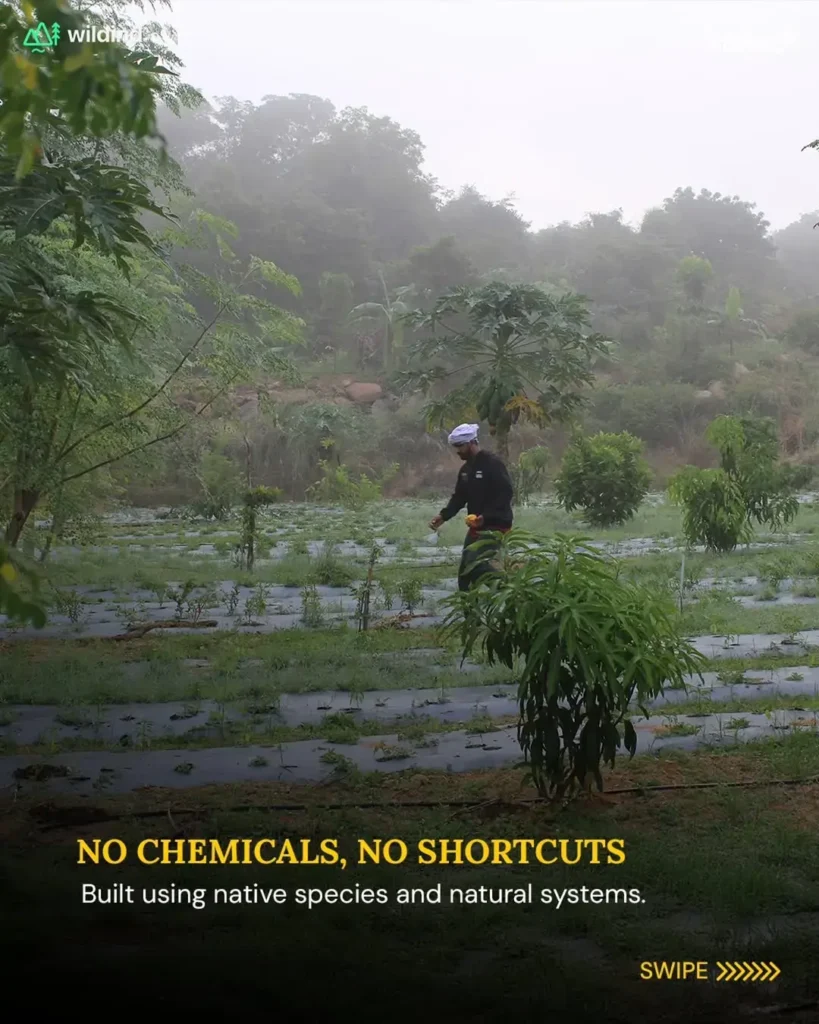
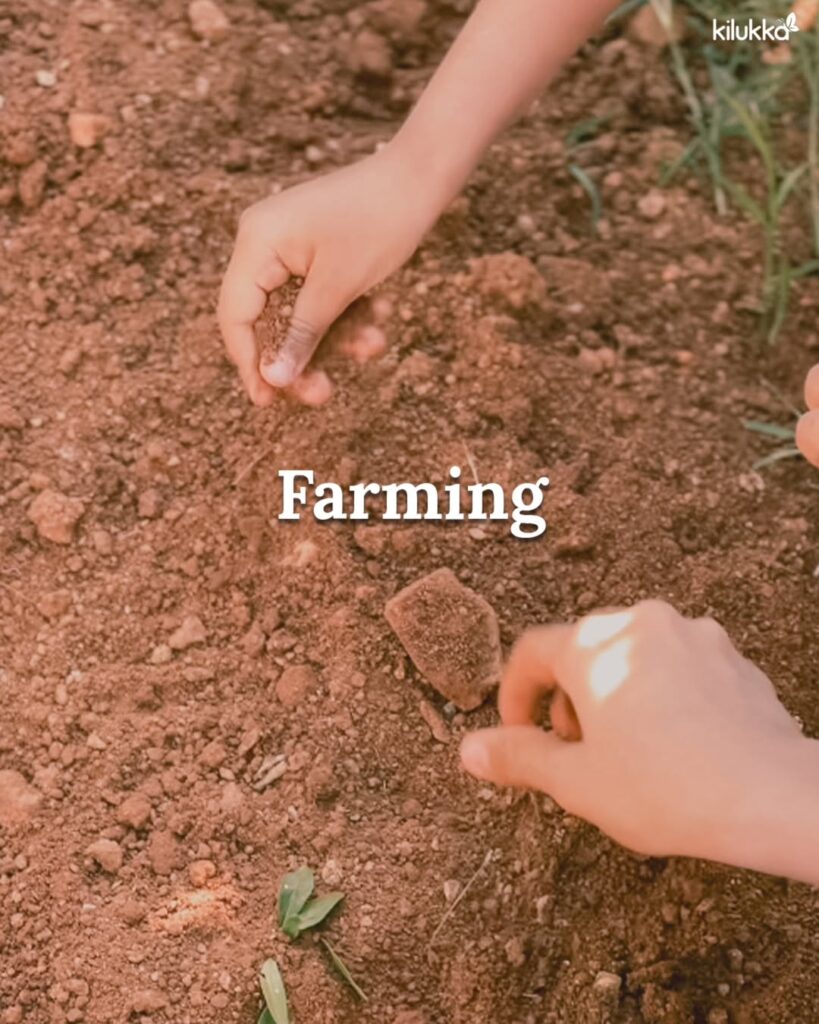
An organic farming workshop is a structured learning program focused on farming systems that work with natural processes. These workshops are usually conducted on active farms where participants can see crops, soil, water use, and farm layout as they actually exist.
Instead of synthetic fertilizers and chemical pesticides, organic farming workshops emphasize building healthy systems over time. The focus is on working with nature rather than controlling it.
Key areas include:
- Soil health and organic matter building
- Crop diversity instead of monocropping
- Composting and organic nutrient inputs
- Natural pest and disease management
- Biodiversity and ecosystem balance
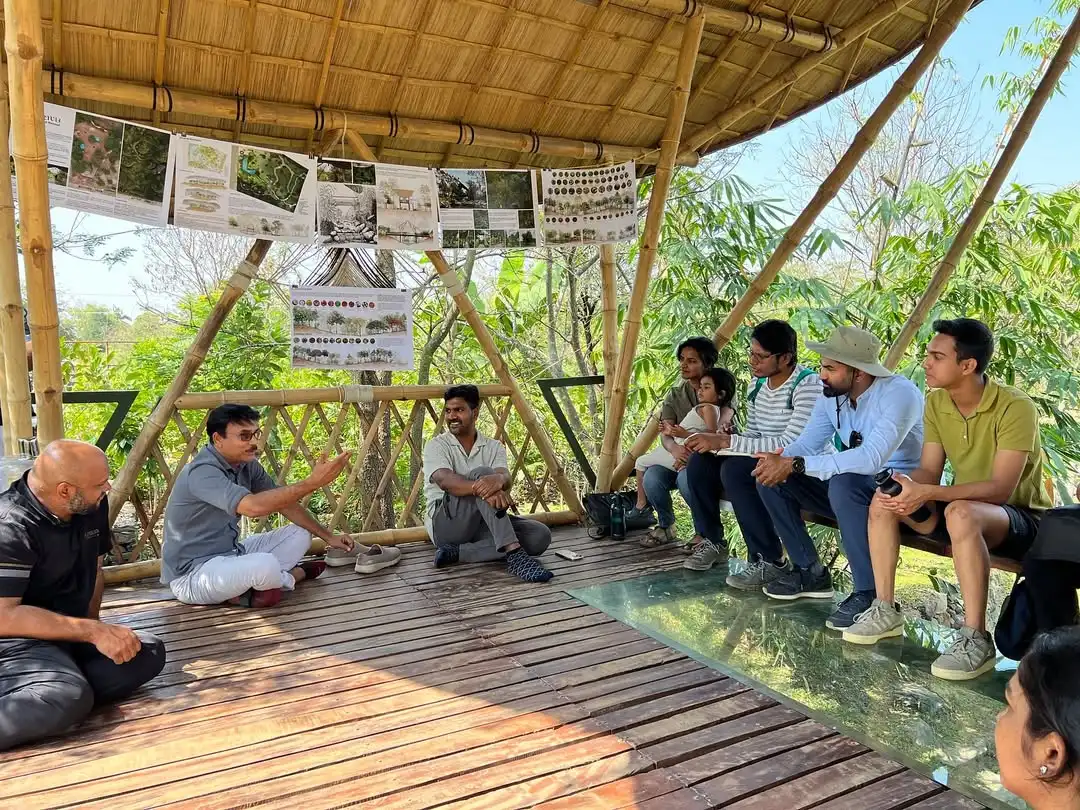
A major difference between a workshop and a classroom course is exposure. In a workshop, participants are not limited to slides or lectures. They walk the land, touch the soil, observe crops, and ask questions based on what they see.
Most credible organic farming workshops include:
- Field demonstrations showing how techniques are applied
- Guided farm walks explaining crop placement and planning
- Observation of crops at different growth stages
- Interaction with experienced farmers and practitioners
The strongest learning happens on working farms because participants can see real outcomes, including challenges and adjustments. This makes workshops practical rather than idealistic.
Interested in Learning Organic Farming on a Real Farm?
At Kilukka Farms, our organic farming workshops are conducted on a working eco-friendly farm in Shoolagiri, Tamil Nadu. Participants learn through observation, hands-on activities, and guided farm walks — not classroom theory.
If you are a beginner farmer, agriculture student, landowner, or aspiring agri-entrepreneur, we’ll help you understand whether organic farming is the right path for you.
📍 Location: Shoolagiri, Krishnagiri District, Tamil Nadu
🌱 Hands-on workshops • Regenerative farming • Real field exposure
What Do You Learn in an Organic Farming Workshop?
A well planned workshop on organic farming covers both concepts and daily practices. Learning usually moves from understanding the system to applying techniques.
Core Concepts and Farming Systems
Participants are introduced to ecological farming principles where soil, plants, insects, and microorganisms function as a connected system. Natural farming and permaculture approaches are explained in simple terms, focusing on how these systems reduce dependency on external inputs.
Workshops also explain the relationship between soil health, food quality, and human health. Participants learn how poor soil biology affects crops and how improving biodiversity supports long term farm stability.
Soil Management Practices
Soil management is treated as the foundation of organic farming. Workshops spend considerable time on this area.
Participants learn compost preparation using farm waste, crop residue, and organic material available locally. Vermicomposting techniques are demonstrated, including worm bed preparation, moisture control, and harvesting compost.
Bio fertilizers are introduced as tools to enhance microbial activity. Mulching techniques are shown to reduce evaporation and suppress weeds. Green manuring crops are explained as a way to restore nutrients naturally.
These practices are usually demonstrated directly in the field, helping participants understand timing and application.
Crop Planning and Management
Crop planning is essential for organic success. Workshops explain how poor planning increases pest pressure and reduces yields.
Participants learn crop rotation planning based on nutrient use and pest cycles. Intercropping methods are demonstrated to show how diversity improves soil health and reduces disease spread.
Seasonal crop selection is explained based on local climate patterns. Managing field crops and horticulture together is also discussed to help maintain year round productivity.
Pest and Disease Control
Organic pest management focuses on prevention rather than elimination.
Participants learn how to identify pest cycles and early warning signs. Natural predators and beneficial insects are explained using real field examples. Botanical and bio based sprays are demonstrated, including preparation methods and correct application timing.
Cultural practices such as spacing, sanitation, and crop diversity are highlighted as the first line of defense.
Weed and Water Management
Weed management is addressed through system design instead of chemicals.
Participants learn natural weed suppression methods such as mulching, cover cropping, and manual tools. Efficient irrigation techniques are demonstrated, including drip systems and proper scheduling.
Water recycling and conservation practices are discussed, especially for regions facing irregular rainfall and water scarcity.
Hands On Farm Tasks
Hands on participation is a key component of most organic farming workshops.
Participants usually take part in:
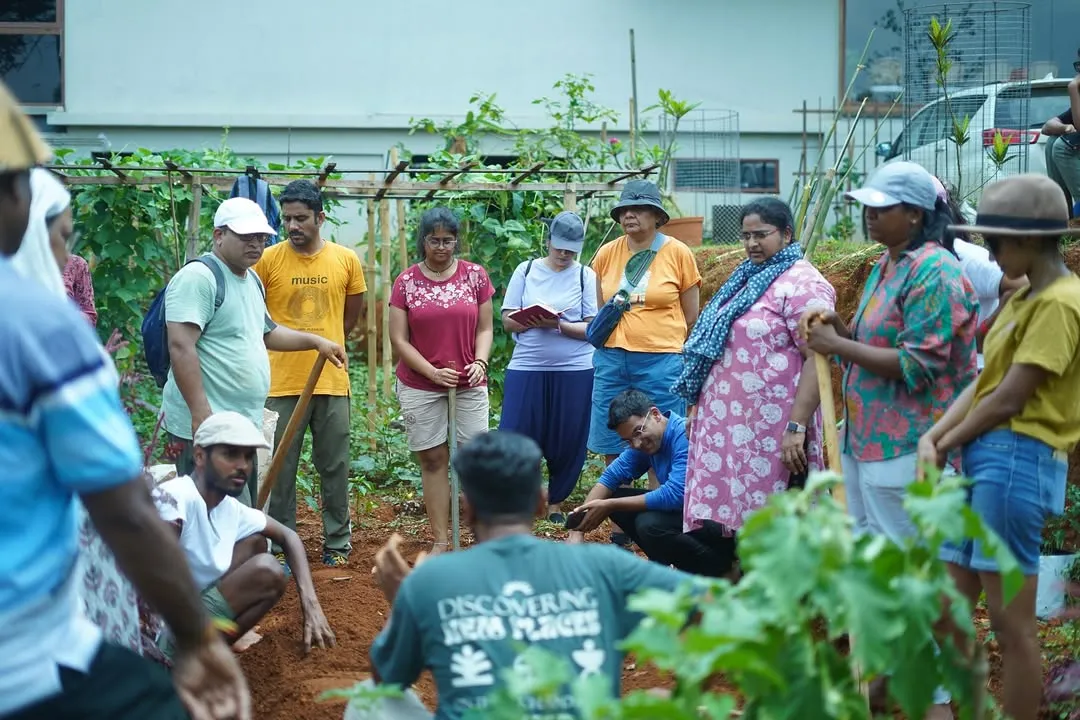
- Soil preparation and bed formation
- Tilling and land leveling basics
- Planting methods for different crops
- Using basic farm tools and equipment
This experience helps beginners gain confidence and practical familiarity.
Business and Compliance Exposure
Many workshops include an introduction to the business side of organic farming.
Topics often covered include organic certification basics, local and direct marketing options, and small scale profitability thinking. This helps participants connect farming practices with income planning.
Where Organic Farming Workshops Are Conducted in India
Organic farming workshops are conducted across different regions of India. Government bodies such as the National Centre for Organic and Natural Farming and State Agricultural Universities offer structured programs that focus on training frameworks and certification awareness.
In addition to these, many NGOs and private farms conduct workshops that offer deeper field based learning.
Workshops conducted on active farms generally provide higher practical value than theory based programs, especially for beginners and aspiring entrepreneurs.
Farms Known for Practical Organic Workshops
1. Kilukka Farms

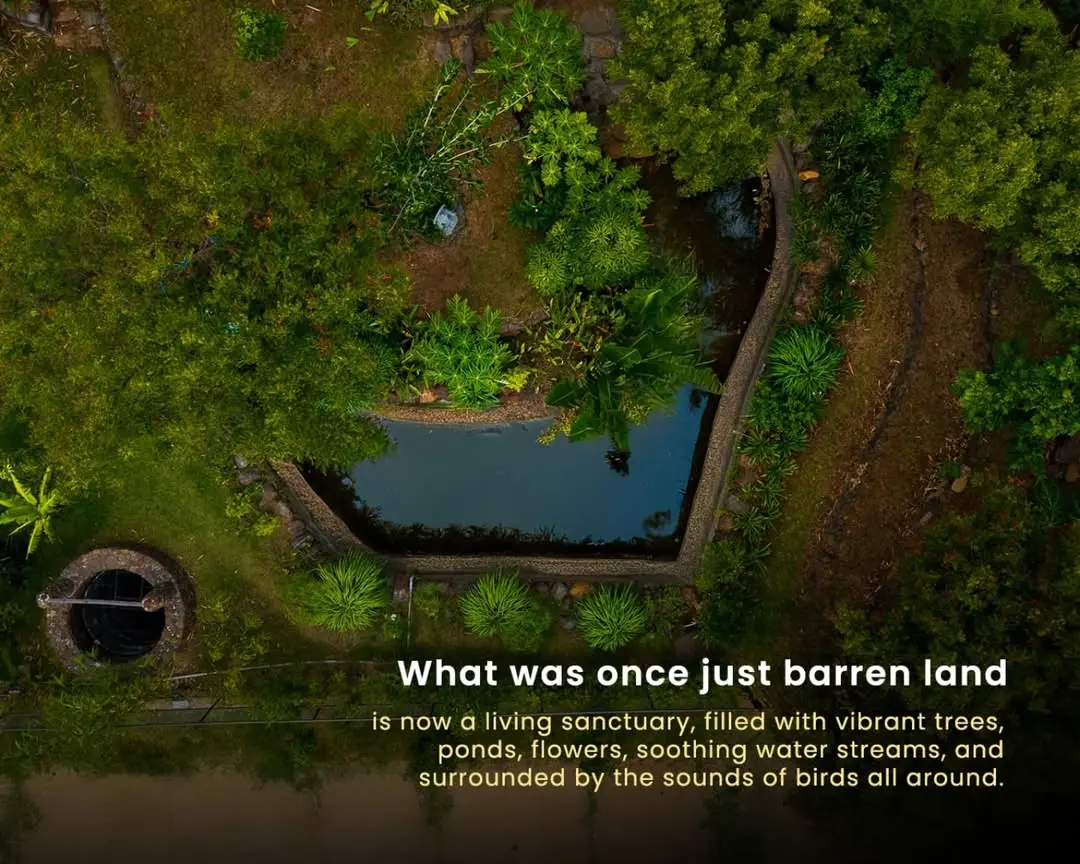
Kilukka Farms is a five acre eco friendly farm located in Shoolagiri, Krishnagiri district, Tamil Nadu. The farm regularly hosts hands on workshops focused on regenerative farming, food forest creation, Miyawaki plantation methods, and nature based learning. Sessions are conducted directly on the land, allowing participants to observe soil preparation, tree growth patterns, and mixed cropping systems in real conditions.
Location: Chembaltradi Road, Shoolagiri, Krishnagiri
Phone: 9090565622
Email: info@kilukkafarms.com
The farm environment supports slow learning through observation and participation rather than rushed instruction.
2. Vanagam Natural Farming Centre
Vanagam Natural Farming Centre is based in Tamil Nadu and focuses on natural farming methods and long term soil regeneration. Workshops here emphasize low input farming, native seed preservation, and farmer led learning models. Participants observe how farms function with minimal external inputs and strong reliance on natural cycles.
Location: Tamil Nadu
Contact: Training enquiries are usually handled directly by the centre through scheduled programs and announcements.
Email : info@vanagam.org
Phone : +91 94458 79292
3. Kheti Virasat Mission
Kheti Virasat Mission operates primarily in Punjab and works closely with farming communities to promote organic and sustainable agriculture. Their workshops focus on crop diversification, reducing chemical dependency, and building farmer networks for shared learning and seed saving.
Location: Punjab
Contact: Workshops and training programs are coordinated through the organization’s regional offices and farmer groups.
Email: info@khetivirasatmission.org
4. Sahaja Aharam
Sahaja Aharam is based in Karnataka and integrates organic farming with local food systems and consumer awareness. Workshops often connect production practices with direct selling models, helping participants understand community supported agriculture and local market engagement.
Location: Karnataka
Contact: Program details are shared through farm based outreach and scheduled learning sessions.
Email : info@sahajaaharam.com
Address : 12-13-286,Street No 9, Line 2 Tarnaka Secunderabad-500017
5. Mohan Organic Farms
Mohan Organic Farms, located in Maharashtra, is known for practical training in composting, organic input preparation, and crop management. Workshops focus on realistic methods suitable for small and medium scale farms rather than idealized models.
Location: Maharashtra
Contact: Training enquiries are typically managed directly by the farm during workshop announcements.
Who Should Attend an Organic Farming Workshop?
An organic farming workshop is suitable for people at different stages of learning because it focuses on real systems rather than assumptions. It allows each group to gain clarity based on their specific needs and goals.
- Beginner farmers starting without prior experience gain hands on exposure to soil preparation, crop planning, and daily farm activities. This helps them build confidence and avoid common early mistakes.
- Landowners exploring sustainable use of their land learn how to assess soil, water availability, and crop suitability before making long term decisions. Workshops help them understand what type of farming system fits their land.
- Agriculture students seeking real world exposure get the opportunity to connect classroom knowledge with field reality. Observing live crops, pests, and soil conditions strengthens practical understanding.
- Urban professionals interested in food systems and farming benefit by understanding how food is grown, the effort involved, and the realities of farm based work. This helps them decide whether farming is a lifestyle or investment they want to pursue.
- Aspiring organic farming entrepreneurs learn about scale, inputs, labor, and market planning through observation rather than assumptions. This reduces financial risk and improves decision making.
These workshops are best suited for people who want to learn complete farming systems step by step, rather than looking for quick results or shortcuts.
Organic Farming Training Through Real Farm Exposure
For those looking for an authentic organic farming workshop in India, Kilukka Farms provides a learning setting rooted in real farm conditions. The workshops are held on a working organic farm, where participants spend time observing, participating, and learning directly from the land rather than from classroom sessions.
Situated in Shoolagiri, the farm has soil and climate conditions well suited for organic practices. This gives participants the opportunity to see how crops, trees, and soil systems behave and evolve naturally across seasons. Over time, multiple workshops have been conducted at Kilukka Farms, all centered on practical exposure and field based learning. The approach remains realistic and experience driven, helping participants understand organic farming as it is practiced on the ground.