
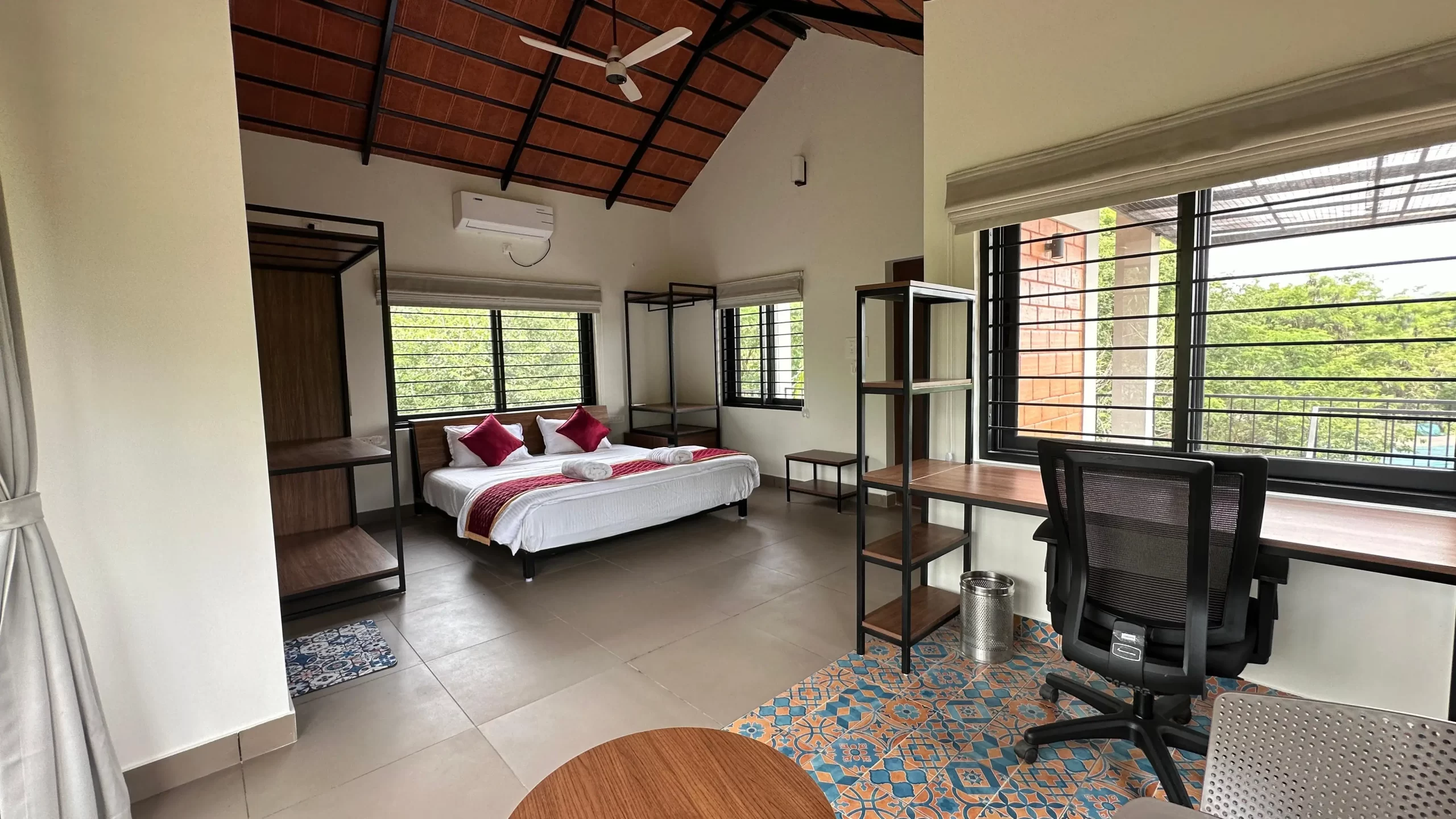
In India, building a house on farmland is not a straightforward task. The first step is to legally modify the land classification. State regulations govern the process, also known as Non-Agricultural (NA) Conversion or Change of Land Use (CLU), which is why the precise procedures and costs vary widely across India. There can be serious and expensive consequences if agricultural land is not legally converted to residential land.
Common Legal Challenges in Land Conversion
- Bureaucratic Delays: Because the process is overseen by several state agencies, including Revenue, Town Planning, and Panchayat, it can take three to twelve months to complete.
- State-Specific Regulations: Since land laws are a state matter, each state has its own set of regulations, documentation requirements, fee schedules (such as conversion premiums), and penalty amounts.
- Zoning and Master Plan Restrictions: Conversion may be denied if the land is in protected agricultural zones, eco-sensitive areas, or land set aside for public transportation.
- Clearances: Getting No-Objection Certificates (NOCs) from several organizations, such as the Forest Department or the Pollution Control Board, can take a while, particularly for bigger plots.
The importance of proper land conversion cannot be overstated. It is the single most crucial legal step that determines the safety, legality, marketability, and usability of the property.
In simple terms, skipping the conversion is the difference between owning a legal asset and owning an illegal liability.

Is It Legal to Build a House on Farmland in India?
In India, building a home on agricultural land without a permit is typically prohibited. The land must first undergo a formal process called Non-Agricultural (NA) Conversion or Change of Land Use (CLU). Building a permanent residential structure on property legally categorized as “agricultural” without this conversion is a breach of state zoning and land revenue rules and can lead to serious penalties.
India has a strict set of regulations governing residential construction that are intended to protect public safety, urban planning, and quality of life. These regulations are primarily based on the National Building Code (NBC) of India, but are enforced and often modified by state-specific building bye-laws and local municipal or development authorities.
For any residential building, the following general limitations and important guidelines must be followed:
1. Statutory Approvals (Necessary Conditions)
Until these two main legal approvals are obtained, construction cannot start:
- Land Use/Zoning Clearance: The property needs to have a residential use zoning. The District Collector or other appropriate revenue authority must perform a Non-Agricultural (NA) Conversion if the land is currently classified as agricultural.
- Building Plan Sanction: The local government must receive and approve detailed architectural and structural plans. Before building can begin, this approval verifies that the plan conforms with all municipal bylaws.
2. Parameters for Density and Volume
The maximum allowable structure size on your plot is determined by these crucial metrics:
- Floor Area Ratio (FAR) or Floor Space Index (FSI): The ratio of the total built-up area (sum of all floor areas) to the total plot area.
- Ground Coverage: The maximum percentage of the total plot area that the ground floor footprint can occupy.
- Building Height: The maximum vertical height of the structure.
3. Mandatory Open Spaces (Setbacks)
Setbacks, which are measured from the property line to the building wall, are the minimum open areas on the site that must be kept free of construction. They are necessary for ventilation, light, and safety.
4. Fire Safety and Structural Requirements
To guarantee both structural integrity and life safety, the NBC lays down specific requirements.
- Fire Safety: It is required for all buildings, particularly high-rises that are more than 15 meters. Requirements include minimum staircase width, use of non-flammable materials, and installation of sprinklers and fire detection systems in high-rises.
- Structural Design: The building must be built to withstand wind loads and seismic forces according to the location’s particular seismic zone.
- Exit Requirements: Stairs and hallways leading to the bottom floor and public area must be well-marked, secure, and continuous on every floor.
You must refer to the most recent master plan and building bye-laws published by your local civic body to find out the precise limits for your property.
Looking for the Perfect Farmland?
Get expert guidance on land conversion, legal procedures, and finding the ideal agricultural property for your needs. 💬 Chat on WhatsAppHow Can Farmland Be Converted to Residential Land?
Non-Agricultural (NA) Conversion or Change of Land Use (CLU) is the legal requirement for the conversion of agricultural land to residential land in India. The procedure, costs, and deadlines differ by state because land is a state subject in India. Nonetheless, a uniform, multi-phase procedure is used across the country.
This comprehensive, step-by-step guide explains how to turn agricultural land into residential land:
Step 1. Getting Ready and Verifying Eligibility
You must acquire the necessary paperwork and verify that the land is suitable for conversion before submitting any applications.
Checklist for Eligibility:
- Zoning Adherence: Make sure the area isn’t designated as forest land, set aside for public use, or specifically designated for ongoing agriculture by consulting the local Master Plan.
- Clear Title: You have to be the land’s legitimate owner with an uncontested, unambiguous title.
- Tax Clearance: Verify that all land revenue taxes, both past and present, have been paid in full.
Determine the Appropriate Authority: This is typically the Deputy Commissioner/District Collector (DC), Sub-Divisional Magistrate (SDM), or Tehsildar.
Step 2. Application and Documentation
This step takes the longest and necessitates gathering a lot of paperwork and clearances.
A. Essential Documents Needed (State-specific):
- Application Form: The NA Conversion/CLU required form.
- Evidence of Ownership: Sale deed, Records of Rights (e.g., 7/12 Extract, RTC), Mutation extracts.
- Land Specifics: Survey Map/Site Plan, Zonal Certificate.
- Tax Receipts: Current receipts for land revenue payment.
- Encumbrance Certificate: A document attesting to the land’s freedom from mortgages and other legal obligations.
- Identity Verification: PAN card, Aadhaar card, etc.
B. Certificates of No Objection (NOCs): From local bodies, the Agricultural Department, and environmental/pollution control boards for larger plots.
Step 3: Examination and Final Acceptance
- Submission and Inspection: Submit the application (often online) and a site inspection will be conducted by revenue officers.
- Conversion Fee (Premium) Payment: Pay the required one-time fee, usually a percentage of the land’s government-determined Guidance Value.
- Conversion Order Issuance: Receive the official NA Conversion Order (Sanad) that legally permits the change in land use.
Step 4: Formalities After Conversion
- Update (Mutation) of Land Records: File for mutation to change the Record of Rights to reflect the new non-agricultural-residential categorization.
- Approval of the Building Plan: Apply for a building plan sanction from the local municipal corporation or gram panchayat before beginning construction.
Estimated Timeline for the Entire Process:
- Document gathering & submission: 4 weeks
- Authority Scrutiny & Site Inspection: 4 to 12 weeks
- Fee Calculation & Payment: 1 to 2 weeks
- Issuance of NA Certificate: 1 to 4 weeks
- Total Estimated Time: Up to 6 months
Documents Required for Land Conversion
Here are the essential documents required for land conversion, typically categorized into three groups:
1. Proof of Title (Ownership)
- Application Form
- Title Deed or Sale Deed
- Mutation Letter
- Power of Attorney (if applicable)
- Affidavit
2. Proof of Land Status & Records
- State-specific land records (e.g., 7/12 Extract, RTC)
- Most recent tax receipts
- Survey/Village Map
- Encumbrance Certificate
- No Dues Certificate
3. Clearance and Proposed Use
- Layout Plan and Site Plan
- NOC from Local Authority (Gram Panchayat/Municipal Council)
- Zonal Certificate from Town Planning Authority
- NOC from Special Authorities (if near forests, highways, etc.)
The only reliable source for the precise checklist is the official website of your state’s Land Revenue Department or District Collector’s Office.
State-Specific Regulations for Land Conversion
An overview of the main distinctions and similarities between different states for land conversion is listed below.
Tamil Nadu
- Governing Act: Tamil Nadu Town and Country Planning Act, 1971; Tamil Nadu Change of Land Use Rules, 2017.
- Authority for Conversion: Chennai Metropolitan Development Authority (CMDA) or Director of Town and Country Planning (DTCP).
- Key Feature: Special scrutiny for wetlands, requiring District Collector approval.
Maharashtra
- Governing Act: Maharashtra Land Revenue Code, 1966.
- Approving Authority: Sub-Divisional Officers (SDOs) or District Collectors.
- Key Feature: Prohibits non-agriculturists from purchasing agricultural land without specific authorization.
Karnataka
- Governing Act: Karnataka Land Revenue Act, 1964.
- Approving Authority: Deputy Commissioner (DC) or Revenue Commissioner.
- Key Feature: Deemed conversion measures (self-declaration) to expedite approvals.
Telangana
- Governing Act: Telangana Non-Agricultural Lands Assessment Act (NALA), 1963.
- Approving Authority: Tahsildar.
- Key Feature: Focus on digital conversion through the Dharani portal for transparency and speed.
Common Challenges & How to Avoid Legal Issues
In India, the process of converting land is difficult because of complicated state-specific legislation, red tape, and problems with land records.
Common Challenges in Land Conversion
- Legal and Administrative: Long and complex processes, high costs, legal disputes, and bureaucratic inefficiency.
- Political and Social: Land disputes, lack of social justice in planning, and political opposition.
- Environmental: Soil degradation, water scarcity, reduced agricultural productivity, and ecosystem impact.
How to Prevent Legal Problems and Guarantee a Smooth Procedure
- Due Diligence and Title Clearance (The Golden Rule): Perform a comprehensive title search with a lawyer and verify land records (Mutation).
- Compliance with Master Plans and Zoning: Examine the Local Master Plan before purchase and understand the conditions of the conversion order.
- Adherence to Procedures and Finances: Submit a flawless application with all required documents and pay conversion charges on time, keeping all receipts.
Conclusion
Can farmland be converted to residential? The solution to the question is summarized in the entire blog. Converting agricultural land into residential land is a smart way to take advantage of the expanding real estate market and raise the value of the site. However, the difficult procedure can be carried out with careful planning, funding, and compliance with legal and environmental requirements. By taking the above-mentioned actions and consulting experts, landowners can contribute to sustainable urban growth while facilitating a seamless conversion.